
What Makes Package Design Actually Sell Products?
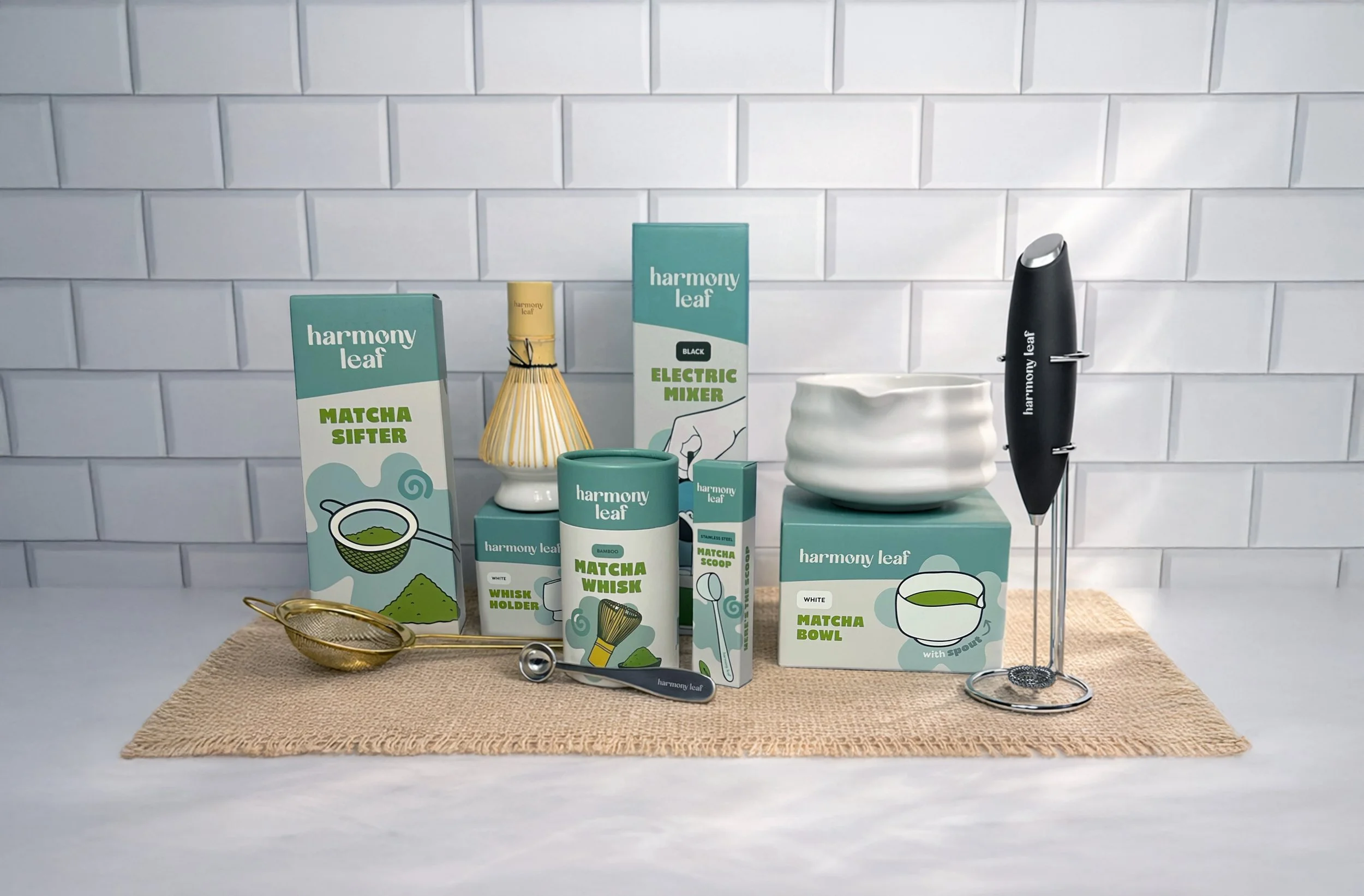
You can have the best product in the world, but if it doesn’t catch someone’s eye, it’s not getting picked up.
That’s the reality of retail and even online shopping. People make decisions fast. Sometimes in seconds. Packaging is often the first impression, and in many cases, it’s the deciding factor.
So what actually makes packaging sell?
Let’s break it down in a way that feels real, not overly complicated.
It grabs attention right away
Before anything else, your packaging has one job. Get noticed.
On a shelf, your product is sitting next to dozens of others. On Amazon, it’s competing in a grid of tiny thumbnails. If it blends in, it loses.
Strong packaging uses color, contrast, and layout intentionally. It doesn’t just look “pretty.” It stands out.
That might mean bold color choices. It might mean a really clean, minimal look in a crowded category. It depends on your audience and where your product lives.
If everything around you is loud, quiet might win. If everything is muted, bold might win.
It communicates what the product is instantly
No one wants to solve a puzzle when they’re shopping.
Your packaging should answer these questions immediately:
What is this?
Why should I care?
Is this for me?
If someone has to pick it up and really study it to figure that out, you’ve already lost some people.
Clear naming, readable typography, and a strong visual hierarchy matter more than people think.
It makes people feel something
This is where branding really comes in.
People don’t just buy products. They buy how something makes them feel. Fun. Clean. Luxurious. Nostalgic. Trustworthy.
Your packaging should reflect that feeling clearly.
A snack brand might feel playful and a little chaotic in a good way. A wellness brand might feel calm and grounded. A premium product might feel elevated and intentional.
That emotional signal is what helps someone choose your product over another, even if they’re similar.
If you’re curious what that looks like in practice, you can see some of our work here.
It feels intentional, not accidental
People can tell when something was thrown together.
Details matter. Spacing, alignment, typography choices, color consistency. All of it adds up.
When packaging feels cohesive, it builds trust. It tells the customer this brand knows what it’s doing.
When it feels off, even slightly, people hesitate. And hesitation can cost you the sale.
It works in real life, not just on a screen
This is a big one that gets overlooked.
Packaging has to work in the real world. That means:
It’s readable from a distance
It looks good in different lighting
It photographs well for online use
It holds up physically
A design might look great on your computer but fall flat on a shelf or in a product photo.
That’s why product photography and packaging design should work together, not separately.
